acue studio
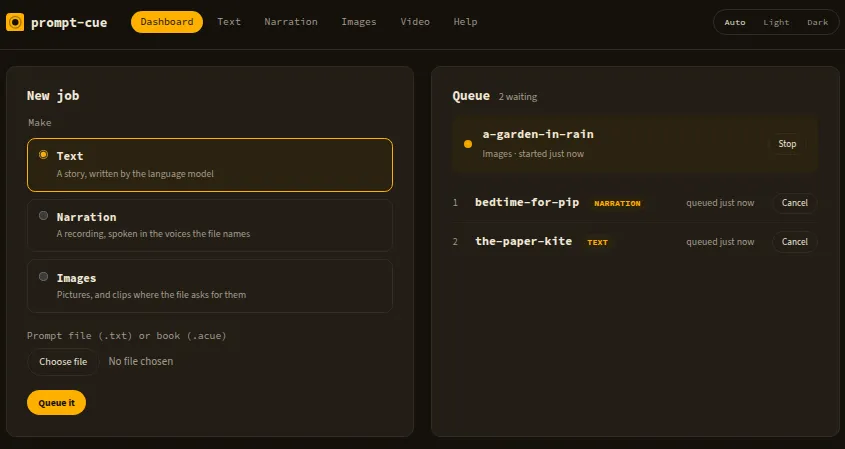
ServiceA small server and a browser dashboard that turn prompt files into text, pictures, narration and clips, using the model servers you point it at, and keep each result as a bundle on disk.
Odin, the systems language most of the suite is written in, built with the compiler from amber-odin.
A small server and a browser dashboard that turn prompt files into text, pictures, narration and clips, using the model servers you point it at, and keep each result as a bundle on disk.
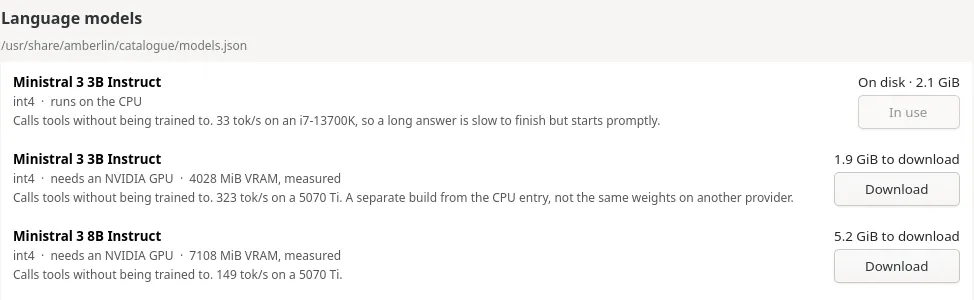
The service at the centre of Amberlin: it holds the speech and language models once, for every application that wants an assistant, and decides who answers.
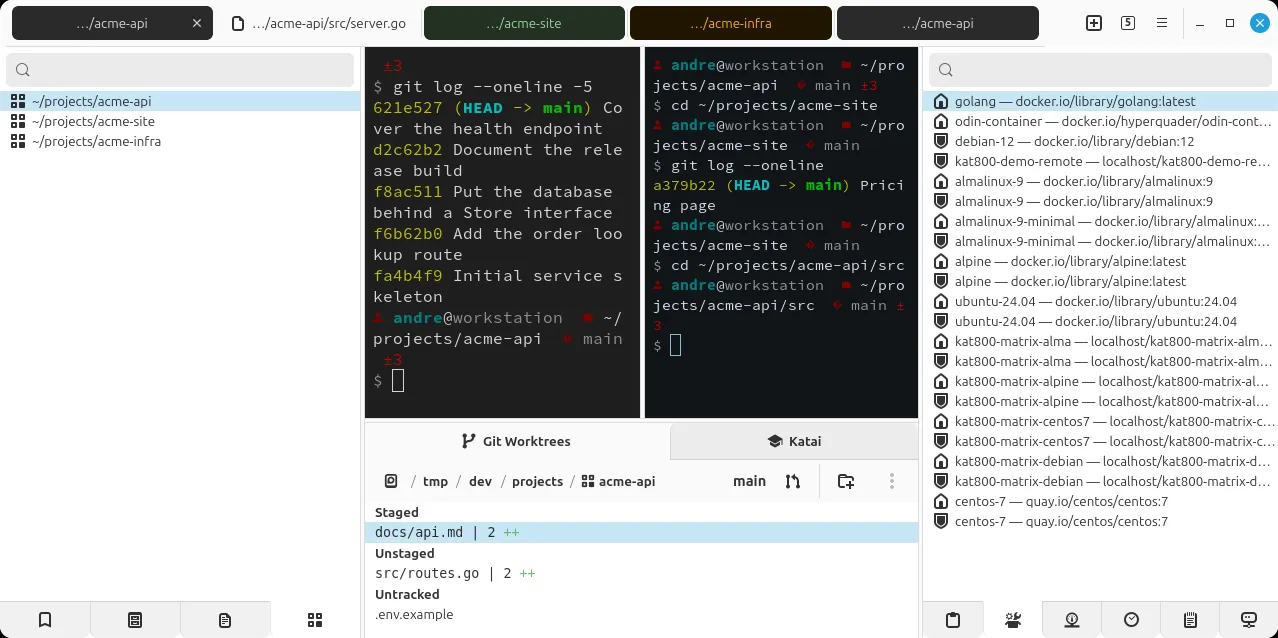
A tabbed, dockable terminal for Linux Mint, with a current VTE, remote tmux sessions as native tabs, containers and sandboxes as ordinary panes, and the desktop's clipboard, history and notes in docks beside the shells.
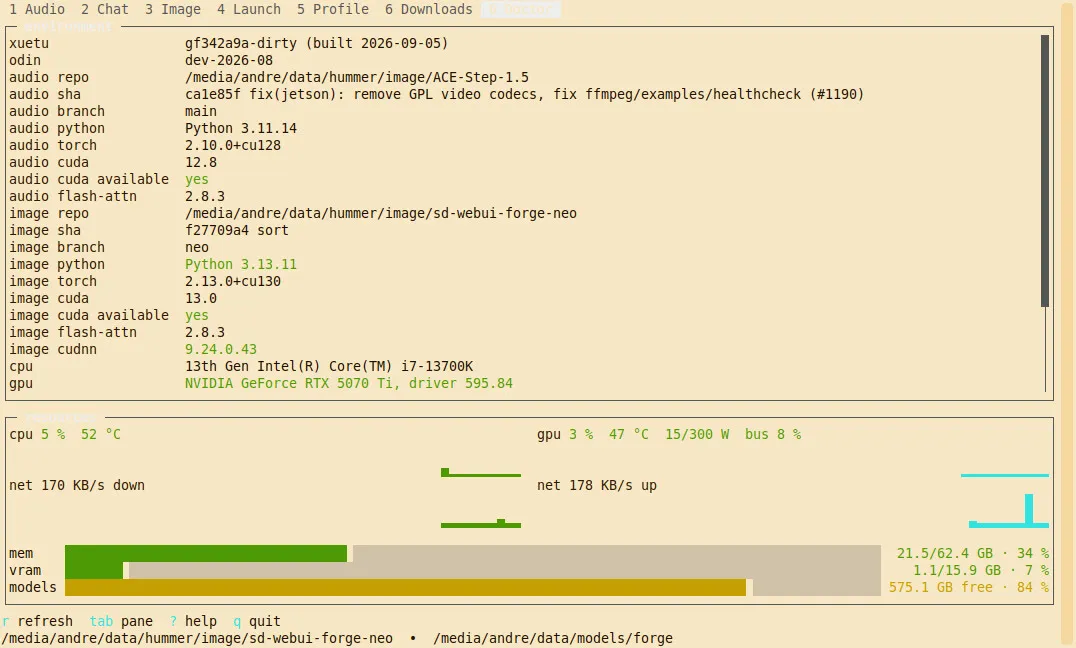
A terminal launcher for the image and music servers on your own graphics card, Forge Neo and ACE-Step, and a pipeline that turns prompt files into an illustrated book with a soundtrack.
Hold a key, ask out loud, and the answer is spoken back and laid out on the screen as notes. A speech-first assistant for the Mint desktop, with its models on your own machine.
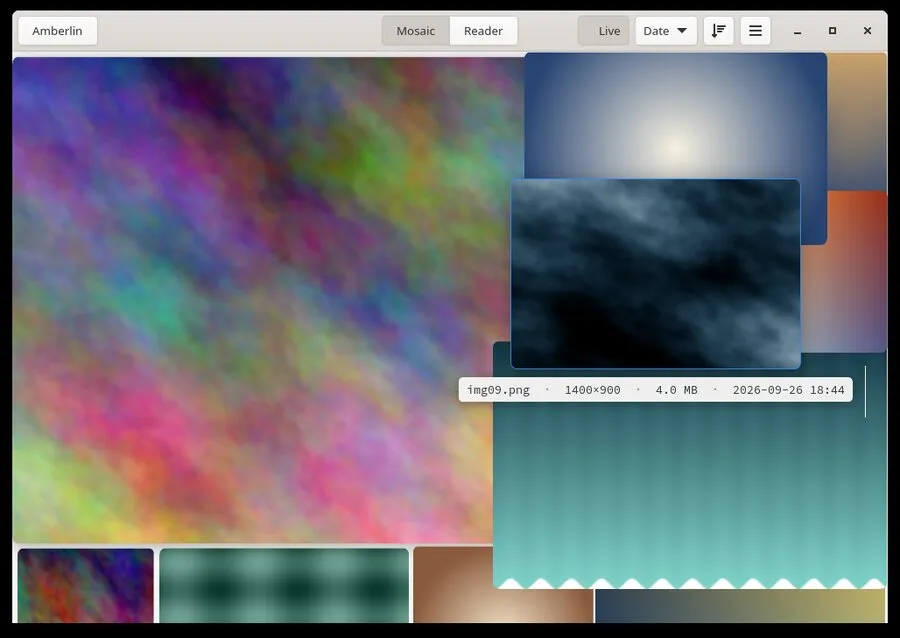
An image viewer for one folder at a time: the newest picture large, the rest in justified rows around it, a comic reader, and a small browser that saves a page's pictures as a comic book.
The prompt-file format: the one reader acue studio and the acue book maker share, the .acue book both of them write, and editor support that marks a wrong line as you type.
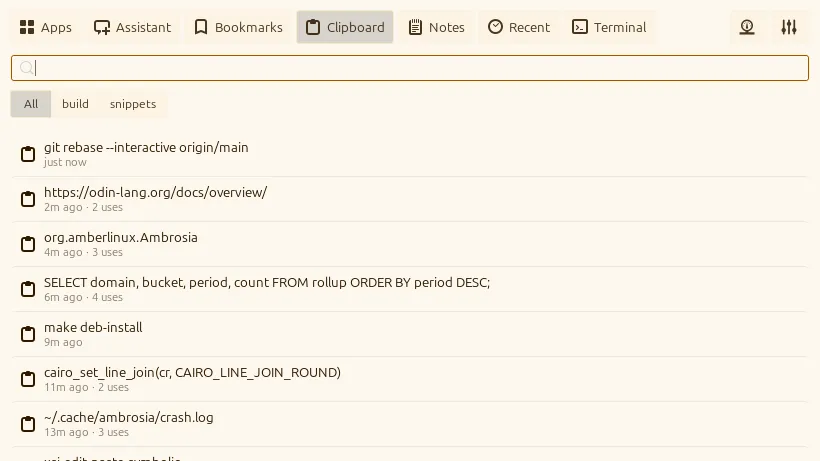
Everything you have copied, run, opened, bookmarked or noted, searchable one keypress away, and readable by other programs over D-Bus.
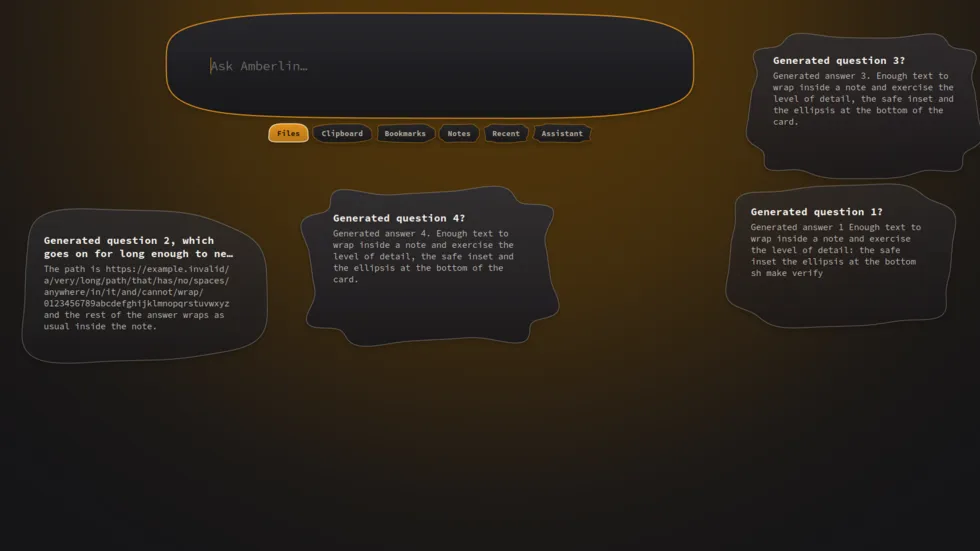
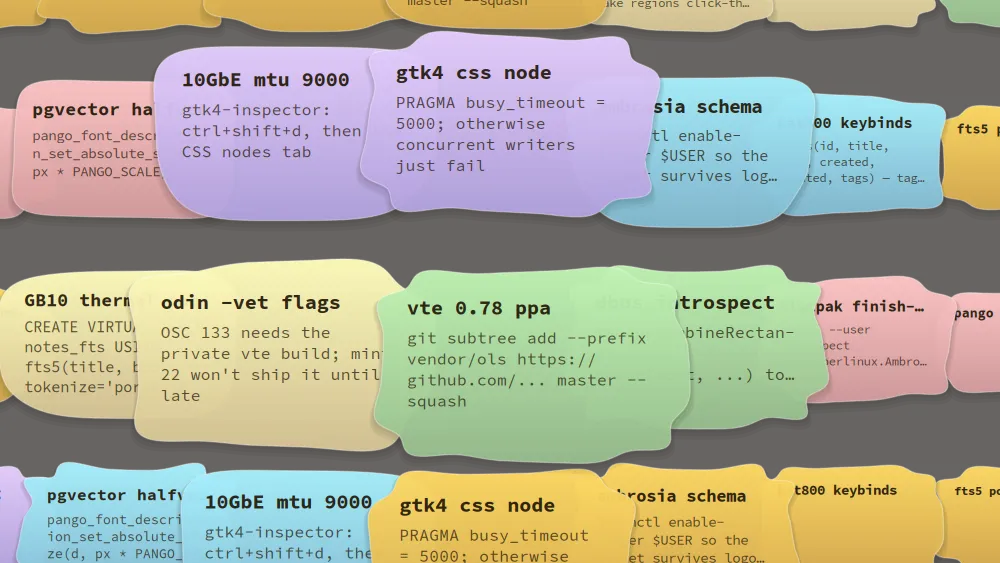
The desktop overlay: one keypress lays your newest notes, bookmarks and clips from Ambrosia across the screen, magnified under the pointer, and searchable.
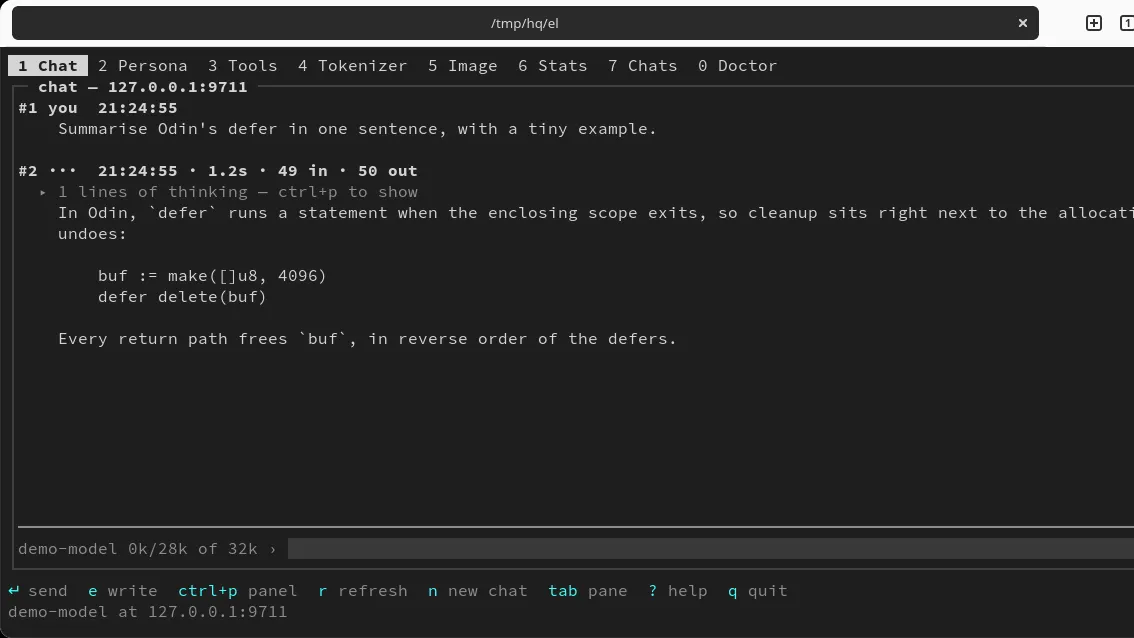
Amberlin's chat at a terminal prompt, with a persona of its own and panes for tools, tokens and pictures.
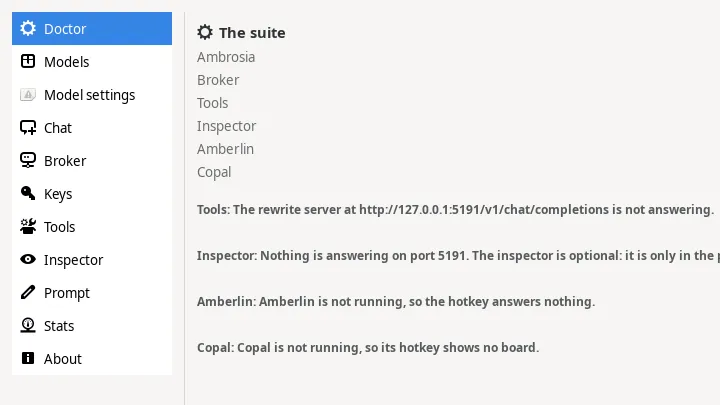
One window for the whole assistant: a Doctor that checks its main parts, the models and their settings, the voice, the keys and the tools. It keeps no configuration of its own.
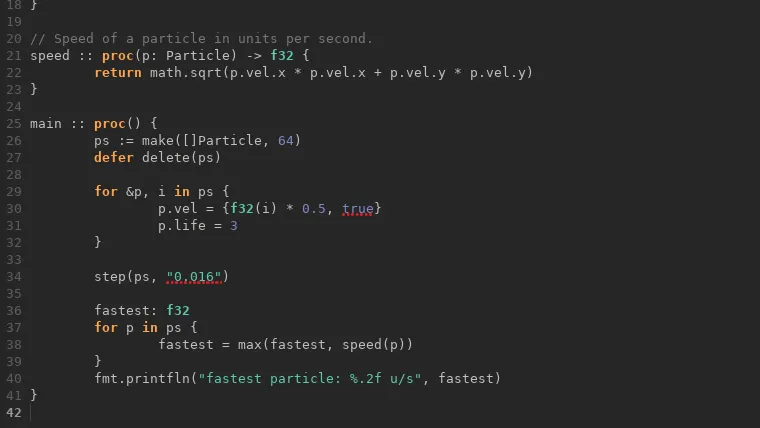
A small GTK 4 code editor that is a test bed, not a product: editor features are proven here before they reach kat800, and so is shipping Odin software as a Flatpak.
What the applications stand on: a current GTK, VTE and glycin kept in folders of their own, the house fonts, and the Odin compiler, packaged once so every application can share them.